Dental Crowns Los Angeles CA: Restore Function and Beauty
A damaged tooth rarely stays a small problem for long. What begins as a crack, a large cavity, or a worn-down biting surface can turn into sensitivity, food trapping, jaw discomfort, or the kind of self-conscious smile people learn to hide in photos. Dental crowns exist for exactly this kind of situation. They restore strength where a tooth has lost too much structure to function reliably on its own, and they do it in a way that can look remarkably natural when planned well.
For patients searching for Dental Crowns Los Angeles CA, the decision often starts with a practical concern. Maybe a back tooth hurts when chewing. Maybe an old filling keeps breaking. Maybe a front tooth was injured years ago and no longer matches the surrounding teeth. The goal is not simply to cap a tooth and move on. A well-made crown should protect the tooth, feel balanced in the bite, and blend with the rest of the smile so thoroughly that most people would never know it is there.
Los Angeles adds its own layer to the conversation. Patients here often care deeply Dental Crowns Los Angeles CA about appearance, but function matters just as much. A crown that photographs beautifully but feels bulky, traps floss, or throws off the bite is not a success. The best outcomes come from treating both priorities as equally important.
What a dental crown actually does
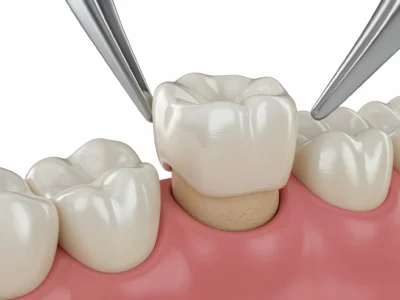
A crown is a custom restoration that covers the visible portion of a tooth. Think of it as a protective outer shell built to replace lost tooth structure and reinforce what remains underneath. It is commonly recommended when a filling would be too large to hold up well over time, or when a tooth has already been weakened by fracture, decay, root canal treatment, or severe wear.
In practice, crowns solve several different problems at once. They can rebuild a broken cusp, restore chewing efficiency, improve appearance, seal and protect a root canal-treated tooth, and create a more stable shape for the bite. That is why crowns remain one of the most versatile tools in restorative dentistry.
The key is that not every damaged tooth needs one, and not every crown is the same. Good treatment starts with judgment. If a more conservative option such as bonding, an onlay, or replacing an old filling will predictably work, many dentists prefer to preserve more natural tooth structure. A crown enters the picture when the tooth needs broader reinforcement.
When a crown is the right choice
Some teeth practically announce the need for a crown. A molar with a large filling that has been replaced multiple times often develops thin walls that are prone to cracking. A front tooth after trauma may be discolored, structurally compromised, and cosmetically hard to mask with bonding alone. A tooth that has undergone root canal treatment can become more brittle over time, especially in the back of the mouth where chewing forces are heavy.
Patients often ask whether pain is the deciding factor. Not necessarily. Some teeth with serious structural damage are not painful at all. Others are acutely sensitive from a problem that can be managed without a crown. Diagnosis matters more than symptoms alone.
A few scenarios come up repeatedly in everyday practice:
- A tooth has a cavity so large that a filling would not leave enough strong enamel behind.
- A crack has weakened one or more cusps, especially on a molar or premolar.
- A tooth has had root canal treatment and needs full coverage for protection.
- A worn or misshapen tooth is affecting the bite or smile.
- An old crown has failed, developed decay at the margin, or no longer fits properly.
Even in these cases, timing matters. If the tooth can be stabilized and watched briefly, that may be reasonable. If the crack is deepening, the filling keeps failing, or the patient is delaying treatment because the tooth “isn’t that bad yet,” the risk rises. Teeth usually do not get stronger with time.
Materials matter more than most patients realize
One of the most common misconceptions about crowns is that they are interchangeable. They are not. Material selection influences strength, esthetics, wear on opposing teeth, thickness requirements, and even how much natural tooth structure must be removed.
Porcelain and ceramic crowns are popular because they can mimic the translucency and color of natural teeth very well. They are often excellent for visible areas of the smile. Modern ceramics have also become strong enough for many back teeth, depending on the specific material and the patient’s bite.
Zirconia has earned a strong reputation for durability. It is often chosen for patients who clench, grind, or place heavy force on their molars. Earlier versions of zirconia sometimes looked more opaque than ideal in the front of the mouth, though newer formulations have improved considerably.
Porcelain fused to metal crowns have been used successfully for decades. They can be dependable, but over time some patients notice a dark line near the gum or a less lifelike appearance compared with all-ceramic options. In certain cases, especially where strength and established track records matter, they still have a role.
Gold and other high noble metal crowns remain superb restorative materials from a functional standpoint. They are kind to opposing teeth, precise at the margins, and durable. They are simply less requested today for visible reasons, especially in image-conscious markets like Los Angeles. That said, many experienced dentists still regard a well-made gold crown on a back molar as one of the most predictable restorations in dentistry.
The right material depends on where the tooth sits, how much room exists between the arches, the color goals, and the forces that tooth absorbs every day. There is no universal best choice. There is only the best choice for that particular tooth in that particular mouth.
The process, from evaluation to final placement
Getting a crown is usually straightforward, but it is not trivial. The sequence matters because a crown only fits as well as the planning behind it.
It starts with an examination, often including X-rays and close evaluation of the tooth, gums, and bite. Dentists check for decay, crack patterns, old filling breakdown, bone support, and whether the tooth is still healthy enough to restore. If the nerve is inflamed beyond recovery, root canal treatment may need to come first. If decay extends too far below the gumline, the tooth may not be a good candidate for a predictable crown at all.
Once the tooth is approved for restoration, it is shaped to create room for the crown material and a clear path of placement. This stage requires restraint. Remove too little and the crown may be bulky or weak. Remove too much and the tooth is unnecessarily compromised. That balance is one of the skills patients cannot easily see but benefit from every day afterward.
After preparation, the dentist captures an impression or digital scan. In many Los Angeles practices, digital scanning has become common because it improves patient comfort and can offer excellent precision. Some offices provide same-day crowns using in-house milling systems, while others send the design to a trusted dental laboratory. Same-day treatment can be convenient, but convenience should not override fit, contour, or shade quality. For complex cosmetic cases, a skilled lab technician remains invaluable.
A temporary crown is often placed while the final restoration is being fabricated. Temporary crowns deserve more respect than they get. They protect the prepared tooth, maintain spacing, allow the gums to heal around the shape, and give early feedback about comfort and bite. When a temporary repeatedly pops off or feels grossly wrong, it can signal issues worth addressing before the final crown is cemented.
At the delivery visit, the dentist checks the crown’s fit, contacts with neighboring teeth, bite, contour, and shade. The patient may only notice whether it looks nice, but the functional details are just as important. A crown that is even slightly high can make chewing uncomfortable and trigger jaw soreness. A margin that is difficult to clean can lead to gum inflammation and future decay. This is where patience pays off. The final placement should never feel rushed.
The cosmetic side of crowns in Los Angeles
A crown on a front tooth is a different conversation from a crown on a lower molar. In a city where patients often pay close attention to aesthetics, details such as translucency, surface texture, tooth proportions, and gum symmetry matter. A front crown that is technically sound but flat, too bright, or too opaque can draw the eye immediately.
Shade matching is more art than many people expect. Natural teeth are not one uniform color. They reflect light differently near the edges, at the center, and close to the gumline. Small differences in brightness can make one tooth stand out in daylight, under office lighting, or in photographs. This is why some complex cases benefit from custom shading, photographs, or even working directly with a ceramic technician.
The surrounding teeth also set the standard. If adjacent teeth are stained, worn, or slightly translucent with age, an ultra-white crown may look artificial. Some patients request the brightest possible result and later realize it does not harmonize with the rest of the smile. Others want the new crown to disappear completely. That second goal usually leads to the more natural outcome.
For patients considering smile improvements, it is also worth discussing sequence. If whitening is planned, it should usually happen before the final crown shade is selected. Crowns do not bleach like natural enamel. A patient who whitens after crown placement may find the surrounding teeth have changed while the crown has not.
Function first, especially for grinders and clenchers
A beautiful crown that fractures in two years is not a cosmetic success. Neither is one that survives intact but contributes to chronic bite strain. The jaw system is unforgiving when restorations are not designed for the forces they must bear.
Los Angeles dentists see plenty of wear related to stress clenching, nighttime grinding, and high-function lifestyles. Some patients know they grind because a partner hears it. Others only discover it after repeated chipped fillings, flattened edges, or unexplained muscle tenderness. In these cases, crown design has to anticipate force management. Material choice, thickness, contour, and occlusal adjustment all matter.
Night guards often become part of the equation. Patients sometimes resist the idea, especially after investing in restorative work, but a guard is not an extra sales item when bruxism is real. It is protective equipment. A well-made crown can last many years, but it is still vulnerable if someone places hundreds of pounds of repetitive force on it night after night.
How long do crowns last?
No honest dentist can promise a crown will last forever. Many do serve patients well for ten to fifteen years, and some last much longer. Others fail sooner because of decay at the edge, cement washout, fractures, gum recession, trauma, or bite-related stress.
Longevity depends less on a single headline number and more on a cluster of habits and conditions. Oral hygiene matters. So does diet, especially frequent sugar exposure and acidic beverages. Gum health is critical because crowns sit at or near the gumline, and inflamed tissues are harder to maintain. The underlying tooth also remains alive to risk. A crown protects, but it does not make Dental Crowns Los Angeles CA the tooth indestructible.
Patients are often surprised to learn that recurrent decay is one of the most common reasons crowns need replacement. The ceramic itself may be intact while decay quietly develops at the margin where the crown meets the tooth. Regular exams help catch these problems while they are still manageable.
Cost, value, and what patients should weigh
Crowns are an investment, and cost in Los Angeles can vary widely based on material, complexity, the technology used, whether specialist treatment is involved, and the experience of the dentist and laboratory. Patients naturally compare fees, but the lowest price does not always represent the best value.
A crown is only one part of the total treatment picture. If the tooth needs buildup, root canal therapy, periodontal care, or replacement of adjacent failing work, those factors affect the overall cost. So does the quality of the planning. A restoration that has to be remade because the bite was off or the shade was wrong often becomes more expensive in time and frustration than the original quote suggested.
Insurance can help in many cases, especially when the crown is medically necessary rather than purely cosmetic, but dental plans vary. Annual maximums often cover only a portion of the fee. It is smart to ask for a clear estimate, understand what is included, and learn whether a lab remake or post-placement adjustment policy exists.
The questions worth asking before you commit
Patients do better when they ask direct, practical questions. Not because they need to second-guess every step, but because a good treatment decision is easier when expectations are clear.
Here are a few questions that usually lead to useful answers:
- Why is a crown the best option for this tooth, rather than a filling, bonding, or onlay?
- Which material do you recommend for this location and my bite, and why?
- Will the crown be made in-office or by a dental lab?
- If this is a visible tooth, how will shade matching be handled?
- Do you see any signs that I grind or clench, and should I plan for a night guard?
These questions tend to move the conversation beyond sales language and into clinical reasoning. That is where trust is built.
Recovery and what normal feels like afterward
Most crown procedures are easier on patients than they expect. Mild soreness around the gums for a day or two is common, especially if the tooth was prepared near the gumline. Temporary sensitivity to cold can happen, and numbness from local anesthetic usually wears off within a few hours.
What should not happen is prolonged intense pain, a feeling that the tooth hits first every time you bite, or floss shredding repeatedly between the new crown and the adjacent tooth. Those are signs to call the office. Small bite adjustments are routine and often make a dramatic difference.
Once a permanent crown is cemented, it should begin to feel like part of the mouth fairly quickly. Patients sometimes say, “I know it’s there with my tongue.” That awareness usually fades. A crown that remains bulky, catches food constantly, or irritates the gums week after week may need re-evaluation.
Caring for a crowned tooth
Crowns do not demand exotic maintenance, but they do reward consistency. Brush well at the gumline, floss carefully but thoroughly, and keep recare appointments. Interdental brushes or water flossers can help in areas where gum contours make plaque harder to remove.
Chewing ice, opening packages with teeth, and constant crunching on very hard foods are bad bets for natural teeth and crowned teeth alike. The restoration may be strong, but strength is not the same thing as immunity to misuse.
Patients with multiple crowns, veneers, or a history of heavy wear often benefit from a more deliberate maintenance plan. That may include periodic bite checks, night guard review, and photographs or radiographs to track changes over time. Dentistry works best when it is monitored, not forgotten.
When a crown is not enough
Crowns are excellent restorations, but they are not magic. If a tooth is fractured far below the gumline, has severe mobility from advanced bone loss, or lacks enough healthy structure to retain a restoration predictably, the better answer may be extraction and replacement. Nobody enjoys hearing that, but forcing a crown onto a hopeless foundation rarely ends well.
There are also situations where other conservative options are superior. Partial coverage restorations such as onlays can preserve more natural tooth structure while still reinforcing a weakened tooth. Bonding can work beautifully for small cosmetic corrections. Veneers may be more appropriate when the issue is shape or color rather than major structural loss. Good dentistry is not about putting crowns on every compromised tooth. It is about choosing the right level of intervention.
Finding the right provider in Los Angeles
Searching for Dental Crowns Los Angeles CA will bring up plenty of options, from boutique cosmetic offices to large group practices and long-established family clinics. The better question is not simply who offers crowns, but who evaluates the whole situation well.
A strong provider pays attention to occlusion, gum health, material selection, margin design, shade planning, and long-term maintenance. They explain why a crown is needed, what alternatives exist, and what trade-offs come with each material. They do not promise perfection in a sentence or treat every case like a commodity.
For patients, the difference often shows up in subtle but important ways. Was the exam thorough? Were photos or scans used to help you understand the problem? Did the dentist discuss what happens if the tooth’s nerve later becomes symptomatic? Did they ask about clenching, headaches, or prior broken dental work? Those details suggest a level of planning that tends to produce more predictable results.
A crown should let you chew with confidence and smile without thinking about the tooth at all. That is the standard worth aiming for. When diagnosis is sound, the material is chosen wisely, and the final fit is refined with care, a dental crown can do exactly what it is meant to do, restore function, protect the tooth, and return natural beauty to the smile.
Simple Dental Vermont
Address: 8914 S Vermont Ave, Los Angeles, CA 90044
Phone number: +13239493000
FAQ About Dental Crowns Los Angeles CA
How much do crowns cost per tooth?
In the United States, a single dental crown typically costs between $800 and $2,500 per tooth without insurance. The ultimate out-of-pocket price depends heavily on the crown material, the location of the tooth, and whether you have dental insurance coverage.
What is the downside of crowns on teeth?
The primary downside of a dental crown is that the procedure permanently removes natural tooth enamel to shape the tooth for the cap.
Why do dentists push for crowns?
Dentists recommend crowns because a large filling cannot provide enough strength when a tooth loses a major portion of its structure or faces heavy chewing pressure.